St Oswalds
Stewardship of a Thirteenth century Grade I listed church
Project Information
Project: General Stewardship and Quinquennial Inspection Report
Client:The Parish Church of St Oswald
Location: Leathley, Wharfedale
Scope: Inspecting Architect
Status: Ongoing
Our role
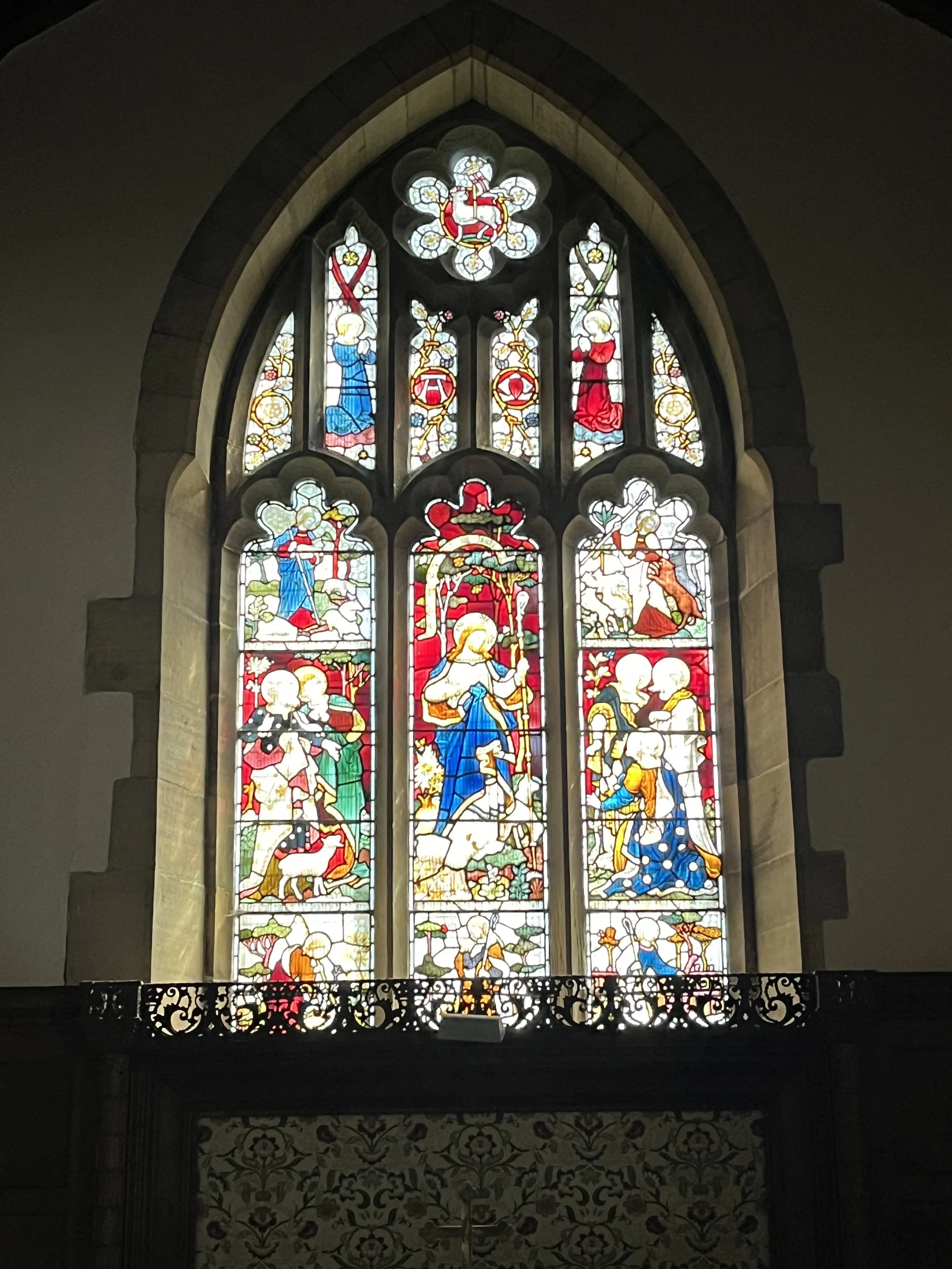
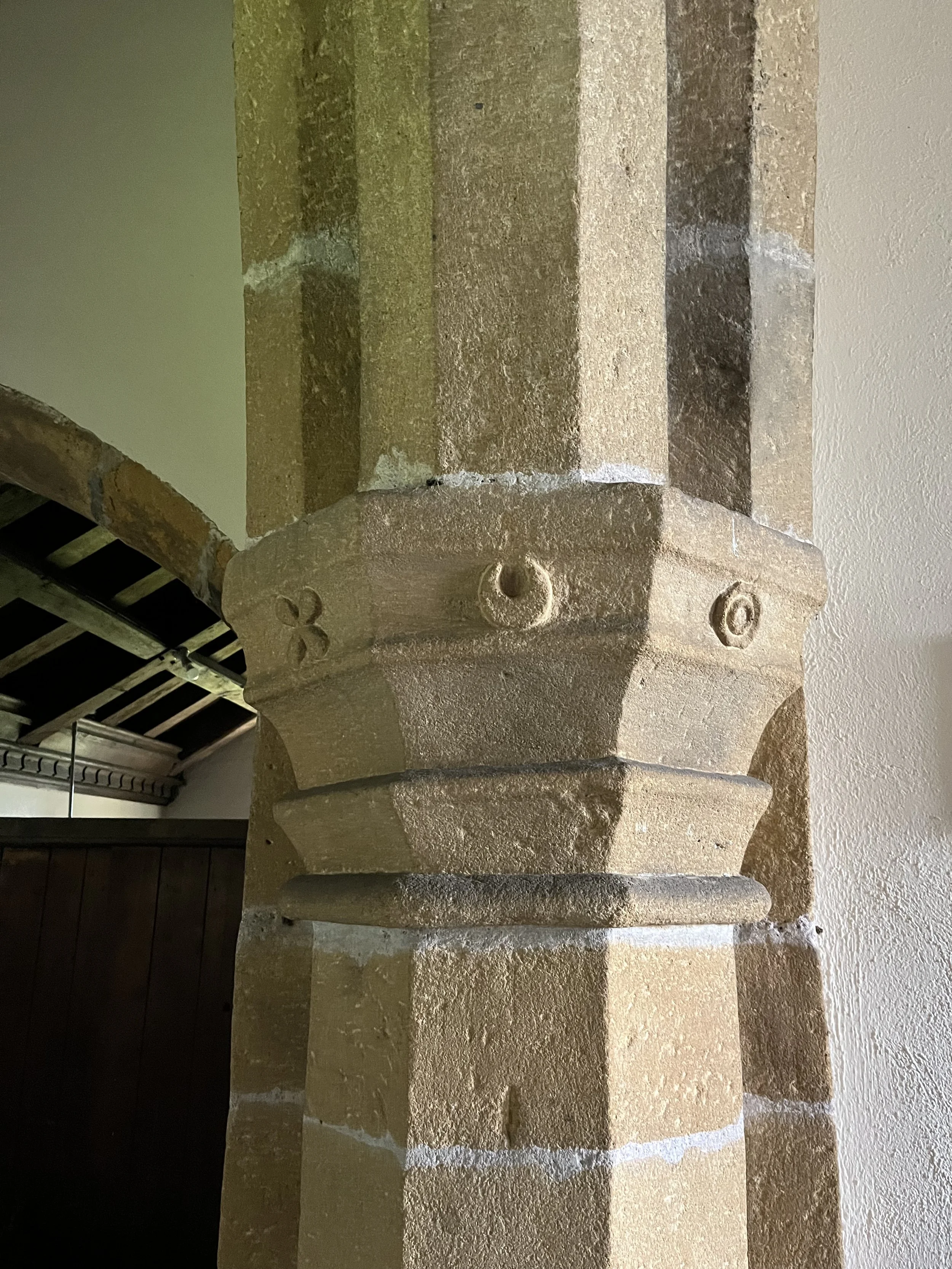
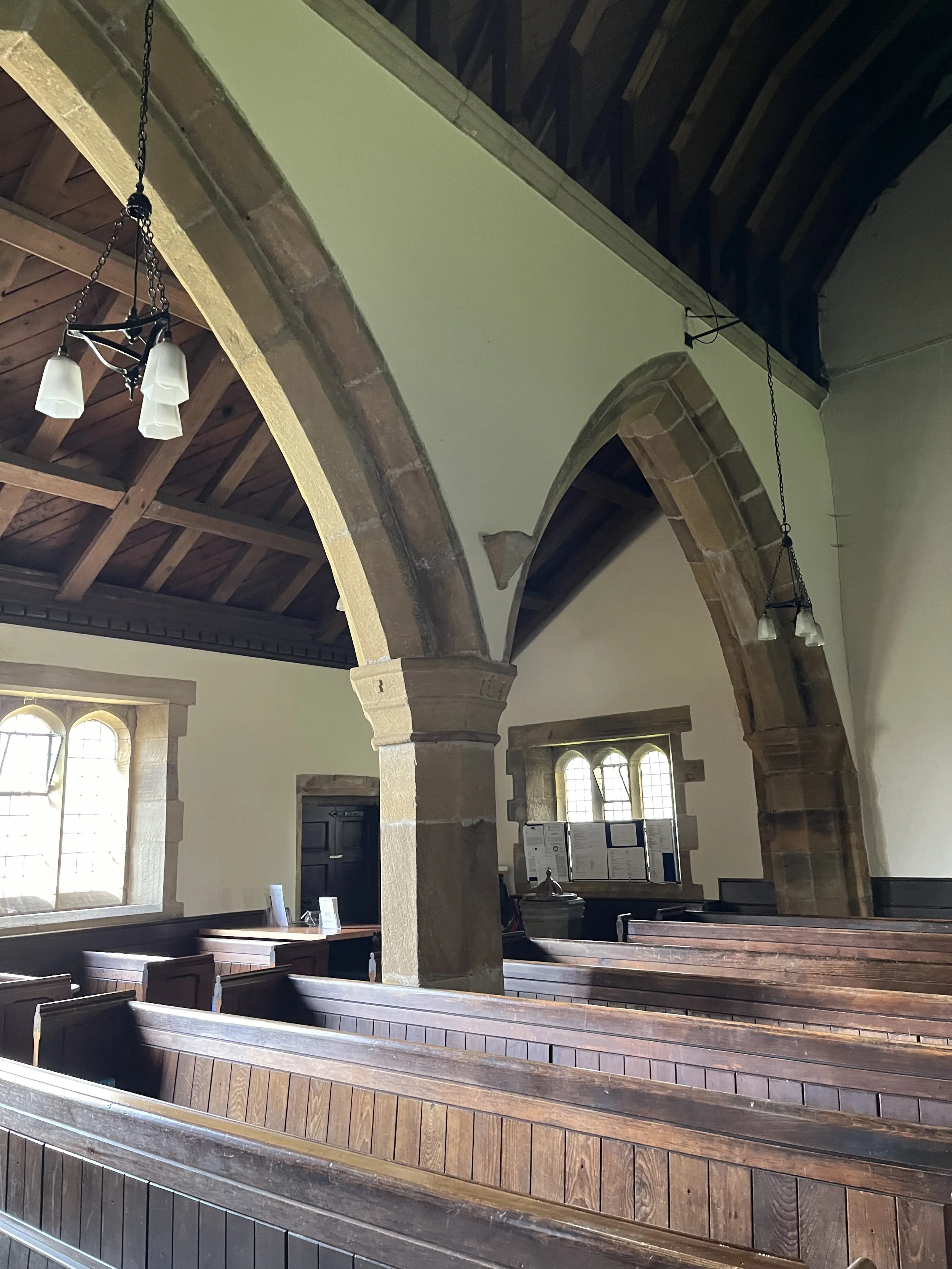
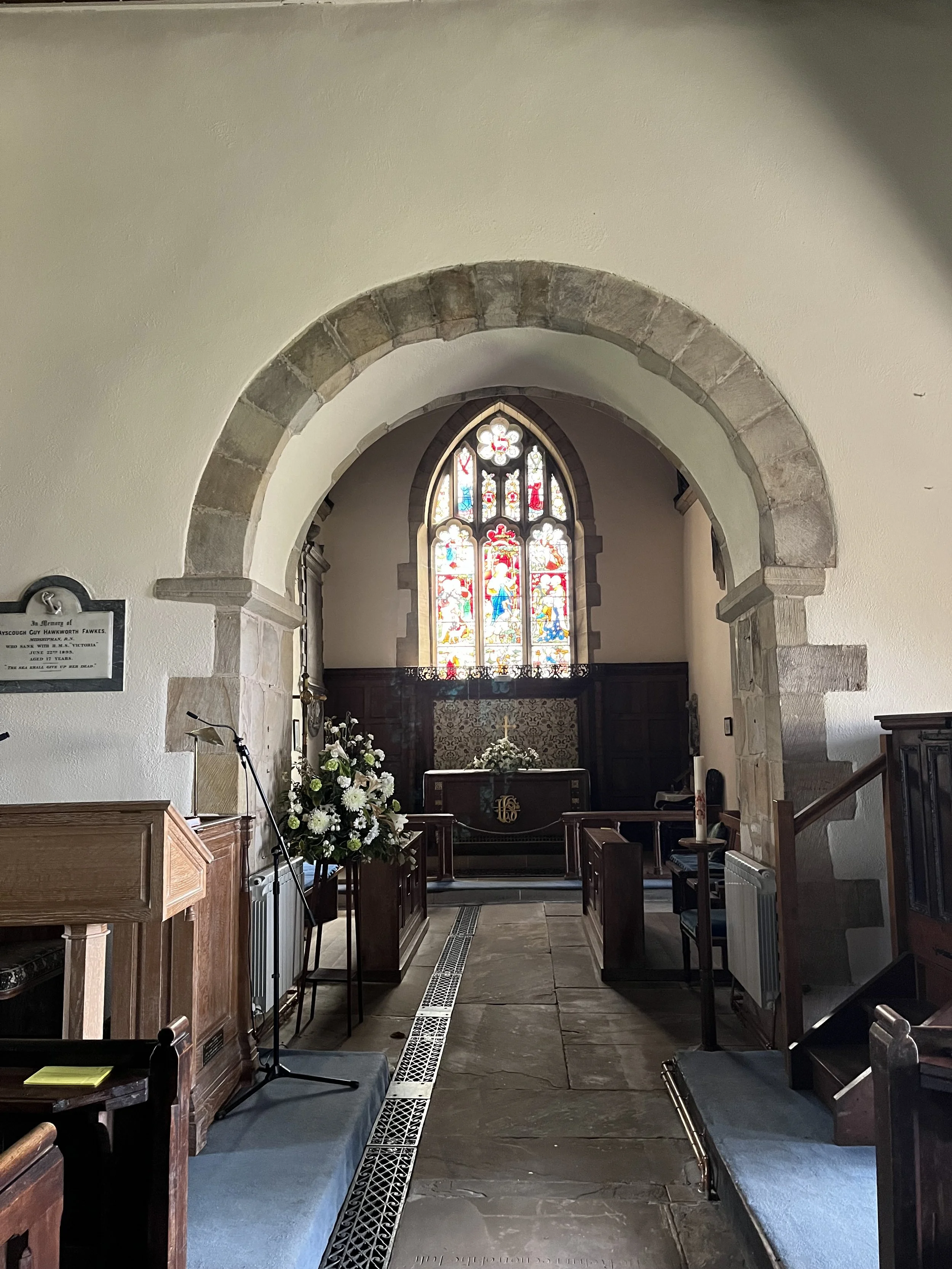
St Oswald’s Church is Grade I listed (ref: 1174461) The church itself has Saxon roots, with the tower, chantry and north wall being of the twelfth century. The tower is large and square, and was used as a ‘peel tower’ for security and defence rather than to house bells. The interior was restored in 1869 and a boiler house added to the north-west corner. In 2021, the Victorian boiler house was demolished and a new kitchen and toilets extension was added on a slightly larger footprint. The Victorian flue was retained to maintain the story of the building’s development, at the behest of Historic England. Much of the oak furniture was crafted by Robert Thompson, known as ‘Mouseman”.
As Inspecting Architect, Stefanie carried out the Quinquennial Inspections and works closely with the church to assist with the stewardship of the building, giving support and advice on a number of maintenance projects at the church including:
Defective heating
Water ingress to south aisle
Anti-pigeon defences
Investigating the damp to the historic west wall
Repair of historic window to the Vestry
Outcomes & Impact
As a Grade I listed place of worship the consideration of the emotional and cultural significance of St Oswald's is incredibly important due to the age of the fabric. It is an important landmark in Wharfedale, deeply rooted in the historic landscape, and regularly used for the rites of passage of weddings, funerals and baptisms.
Conserving the church, therefore, becomes about serving these important societal and intangible heritage moments as well as the physical building.
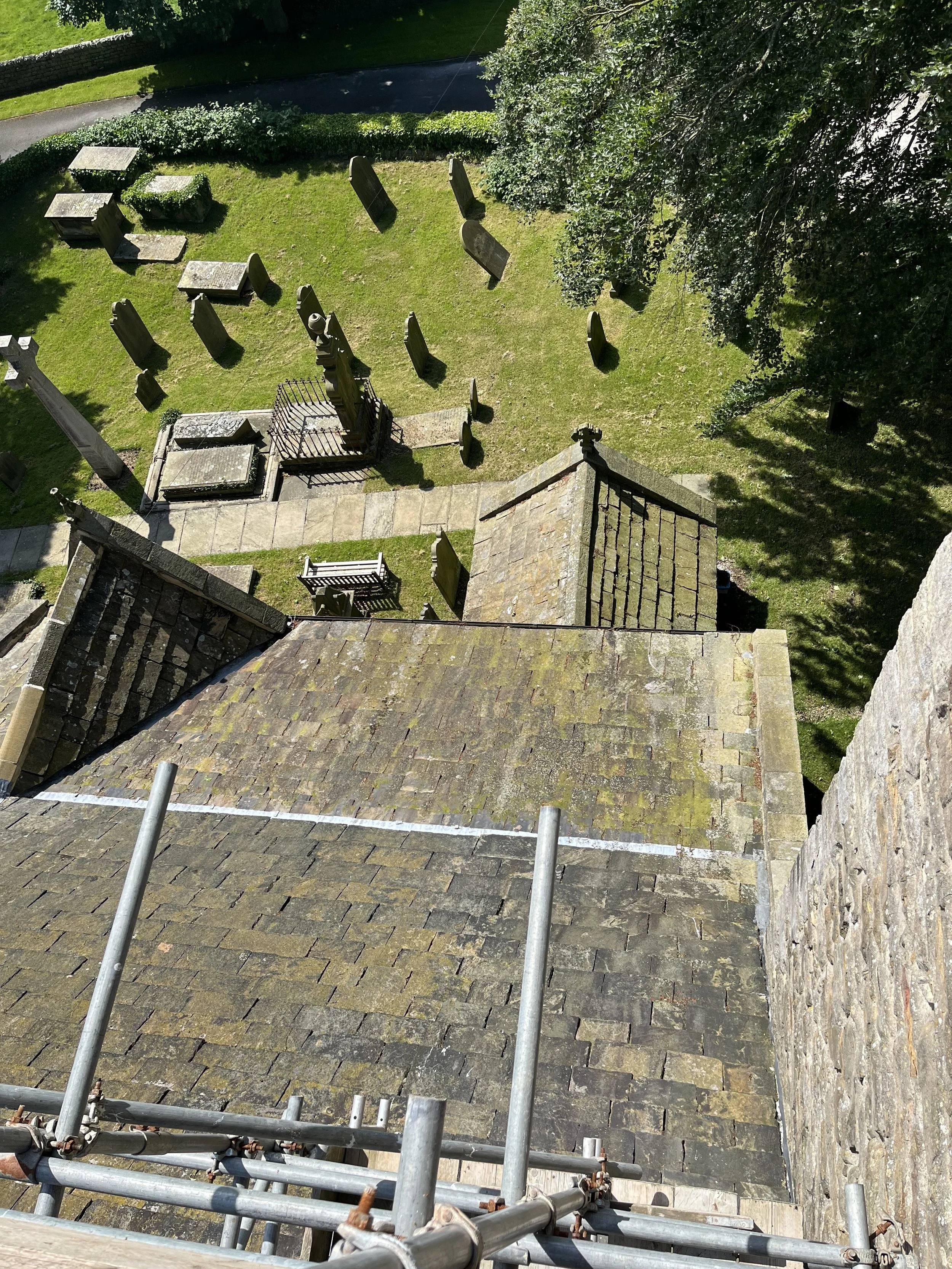
More specifically, the immediate landscape plays an important role in the church’s heritage, with a churchyard that has barely been touched and documents those that have lived and worked the area, with trees that have grown as the church aged. These two aspects provide the church with a specific identity but also impacts directly on the conservation and maintenance of the church.