Community
Community spaces are at the heart of what we do
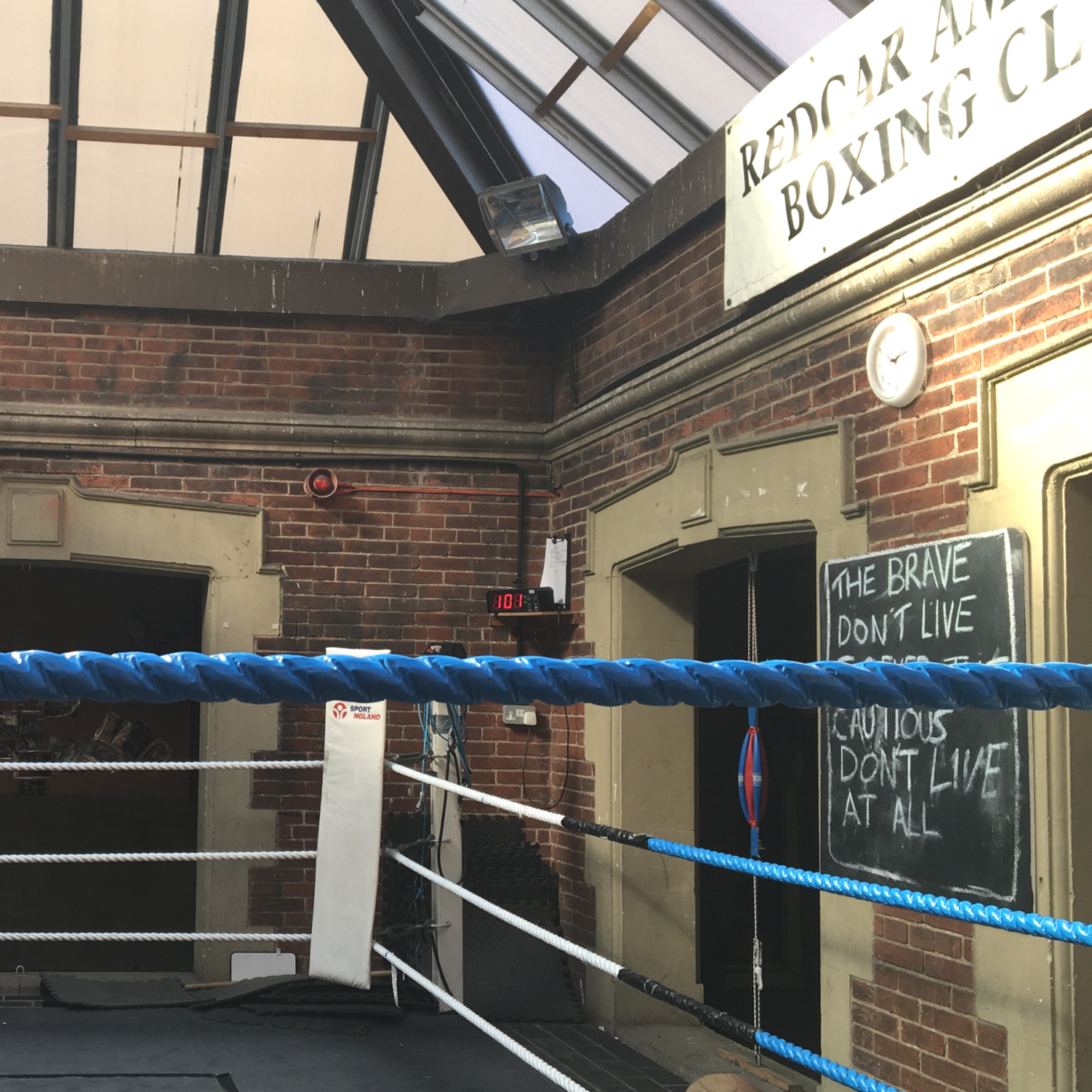
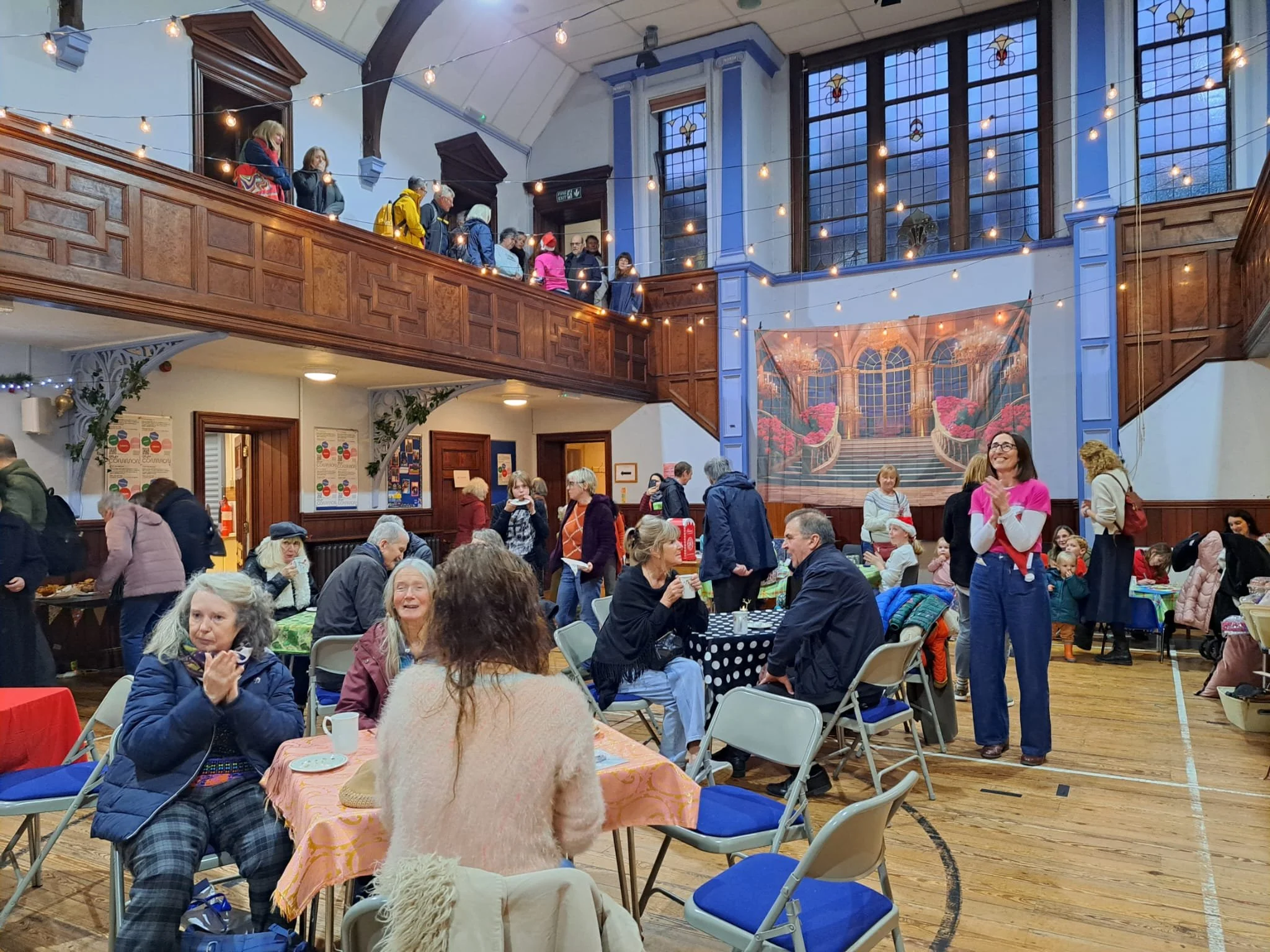
We work with neighbourhood groups, community ownership trusts, sporting organisations, educational establishments and the people and organisations who care for the spaces communities depend on.
We understand the complexity of community projects: the governance, the funding, the competing voices and the weight of responsibility that comes with building for a community rather than an individual client. And we bring the experience, the expertise and the collaborative approach to make those projects happen.
What We Mean by Community
Community means different things in different contexts and understanding that is central to how we work. We think of community as two overlapping groups: the people and organisations who may come together to take ownership or stewardship of a space, and the wider public who live, work or learn nearby and are affected by decisions about that place.
Communities can be defined by place, by identity, by shared interest or by collective action…and often by several of these at once. A neighbourhood group, a faith community, a sports club, a carers' organisation, a tenants' group: each is a community, each is different, and each deserves an approach that reflects that.
We also understand that who is in a community shifts over time, and that within any group there are smaller groups and individuals with different needs, different levels of power and different capacity to take part. Our task as community architects is always to understand what community means in the specific context of each project and to design accordingly.
How we can work with you
-
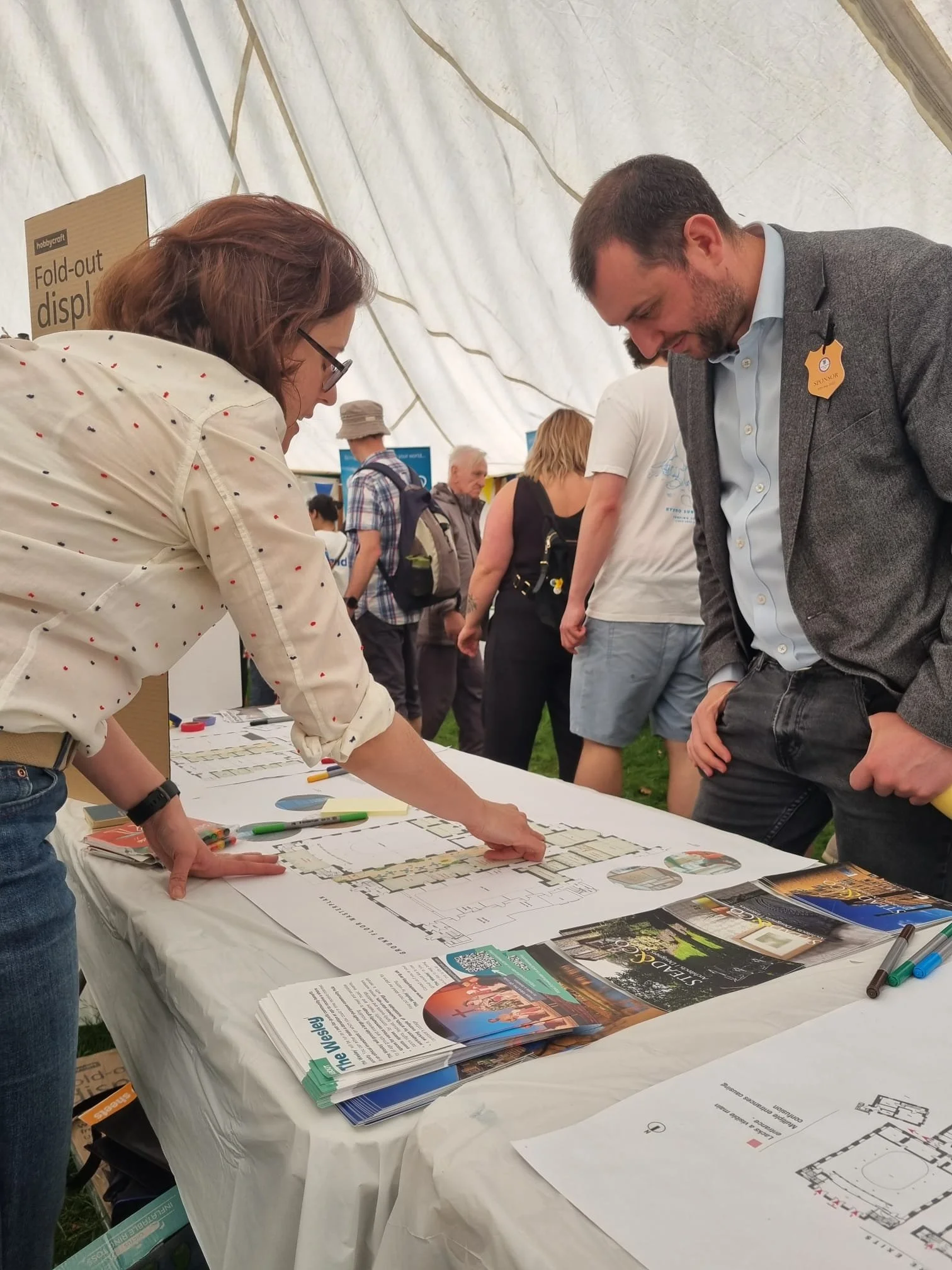
If you have an idea for a project but are not sure where to start, a scoping document is often the best first step.
For a small fee, we will work with you to set out the brief, the parameters and the possibilities for your project in clear, straightforward terms. It gives you, your trustees and any potential funders a shared understanding of what you are trying to achieve — and a document you can actually use to take the project forward.
Many community organisations and heritage trusts use a scoping document to apply for grant funding to commission a full feasibility study. It also helps establish realistic costings for the next stage, so there are no surprises when you are ready to proceed.
-
A feasibility study is often the most important investment a community organisation can make at the start of a project. Depending on what your project needs, we will produce either a set of concept drawings or a detailed written report with full costings; in either case, it gives you the evidence and clarity to move forward with confidence.
Many feasibility studies can be funded through grants. The key is being clear about what the study will achieve before you apply - funders want to see a well-defined scope, and applications without one rarely succeed. We know this process well, having supported organisations through successful applications to the National Lottery Heritage Fund and other grant bodies.
Drawing on that experience, we bring together the key considerations for your project into a concise, well-evidenced document that makes a compelling case for funding and sets your feasibility study up for success.
-
We believe good design starts with involving those who will benefit from the process in the process.
We design and facilitate consultation and co-design workshops tailored to your project and your community, with extensive experience working with a wide range of participants — from elected members, trustees and community leaders to young people and school children.
At the end of the process, you receive a clear record of findings: a written summary of community priorities, needs and aspirations that feeds directly into the design brief and strengthens your case with funders and stakeholders.
-
We have direct experience supporting community organisations, heritage trusts and faith groups through successful applications to a range of funders - including the National Lottery Heritage Fund, the Architectural Heritage Fund and Historic England.
Funders want to see a well-defined scope, credible costings, a clear understanding of impact and evidence that the right expertise is in place. We help you build that case, drawing on our knowledge of what funders are looking for and how to present your project in the most compelling way.
Whether you are at the early stages of exploring funding routes or ready to make a formal application, we can help you understand your options and put your best case forward.
Our approach starts with the principle that the people who will benefit from a building project must be involved in shaping it. Our commitment to inclusive design means that every building and space we work on can be engaged with simplicity and dignity by everyone it is meant to serve.
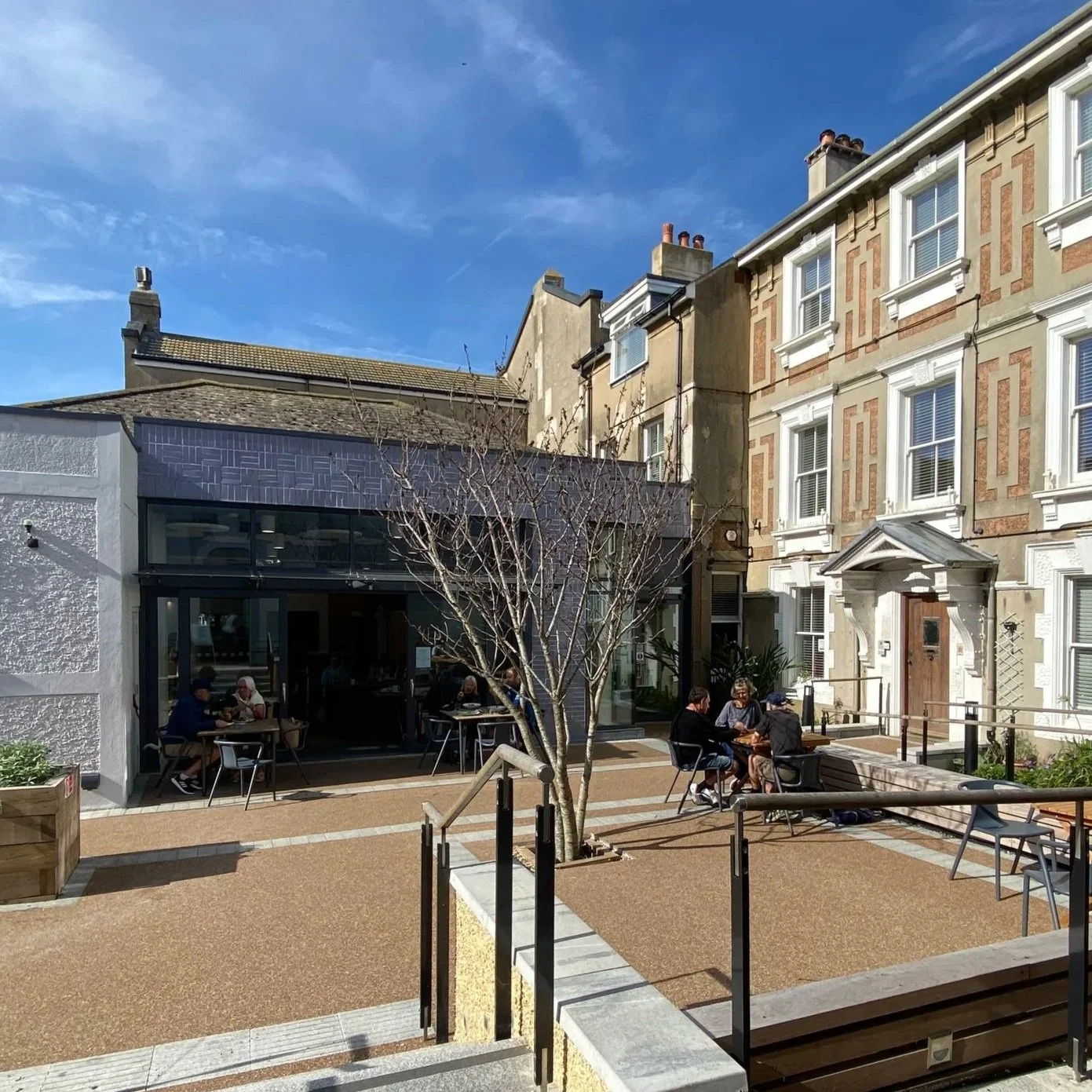
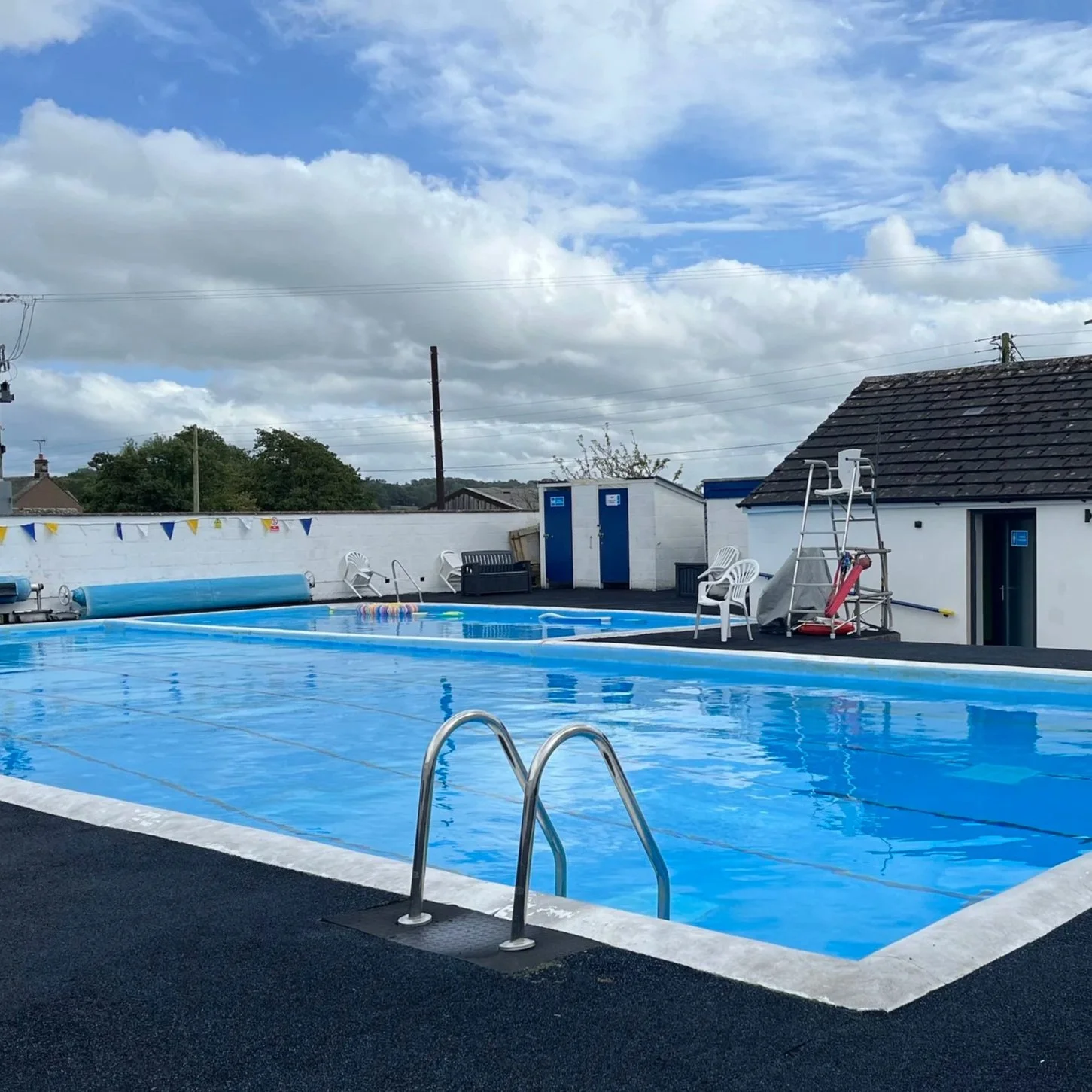
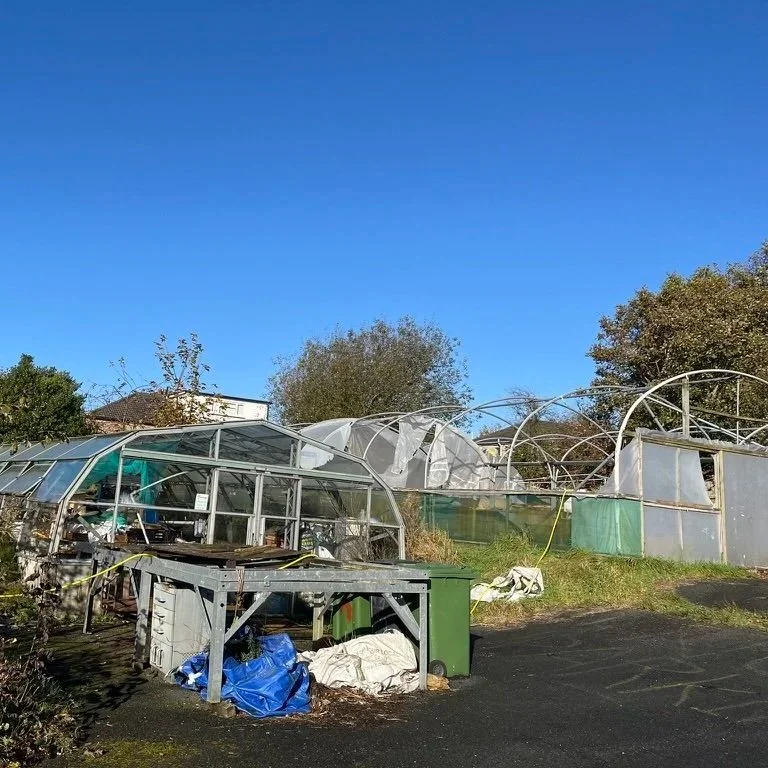
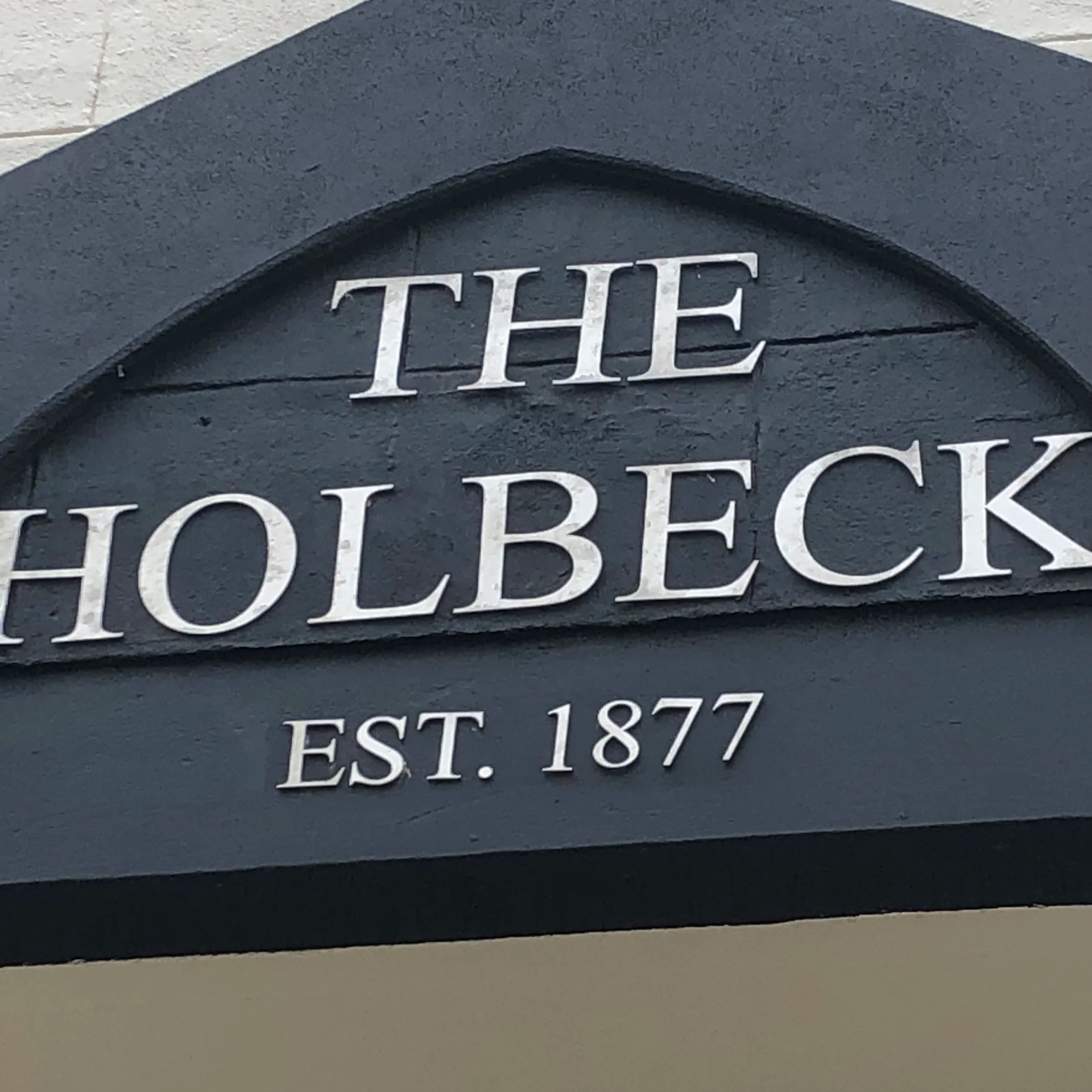
We have worked with a wide range of community organisations including neighbourhood groups, sporting organisations, educational establishments and community ownership trusts, delivering projects including the Fitzherbert Community Hub, Otley Common and The Holbeck.
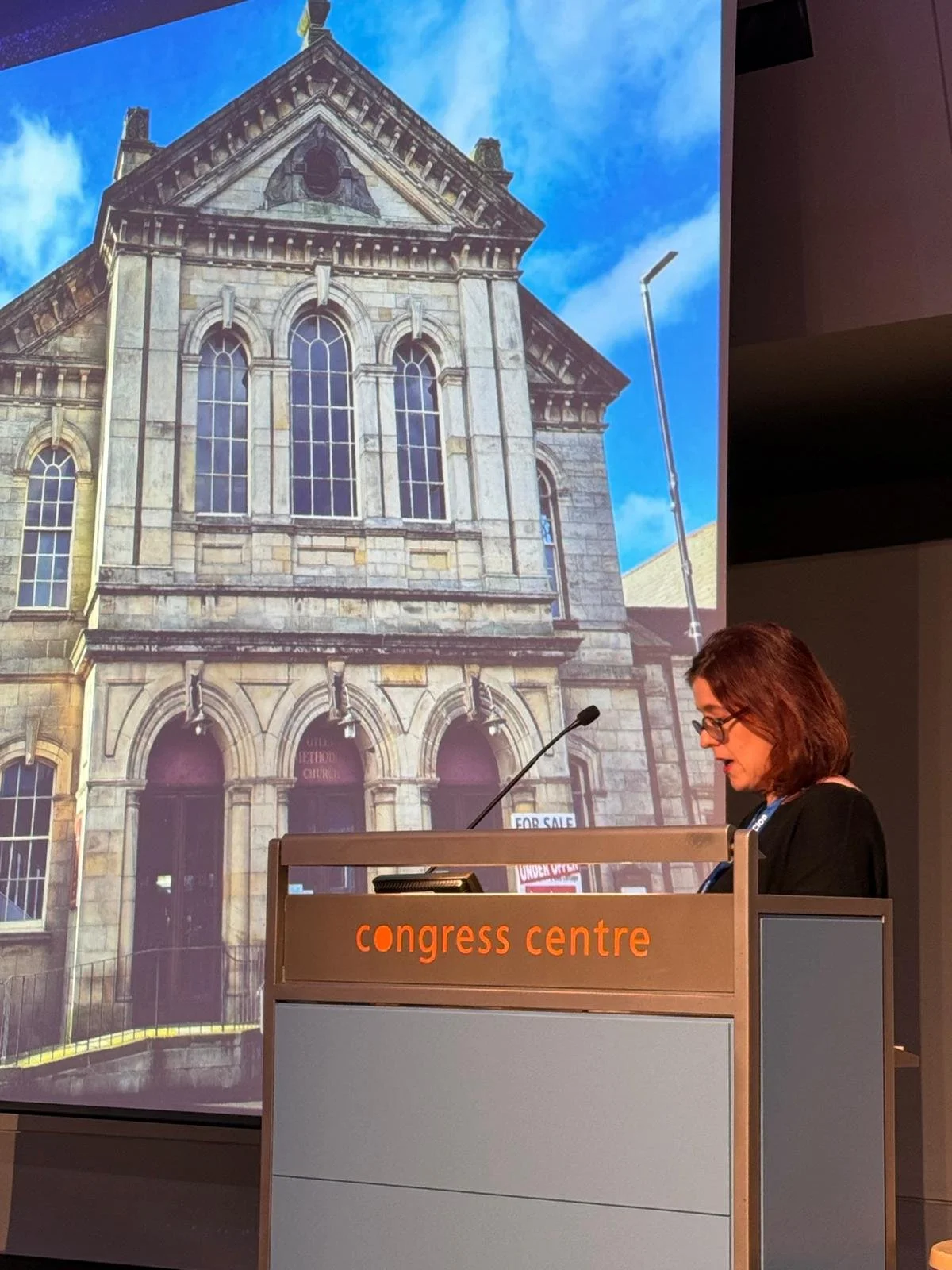
Our Director, Stefanie Stead MBE, is a RIBA Published Author whose book on community architecture draws on years of practice, research and teaching.