Faith
Preserving sacred spaces fosters deep community and spiritual connection
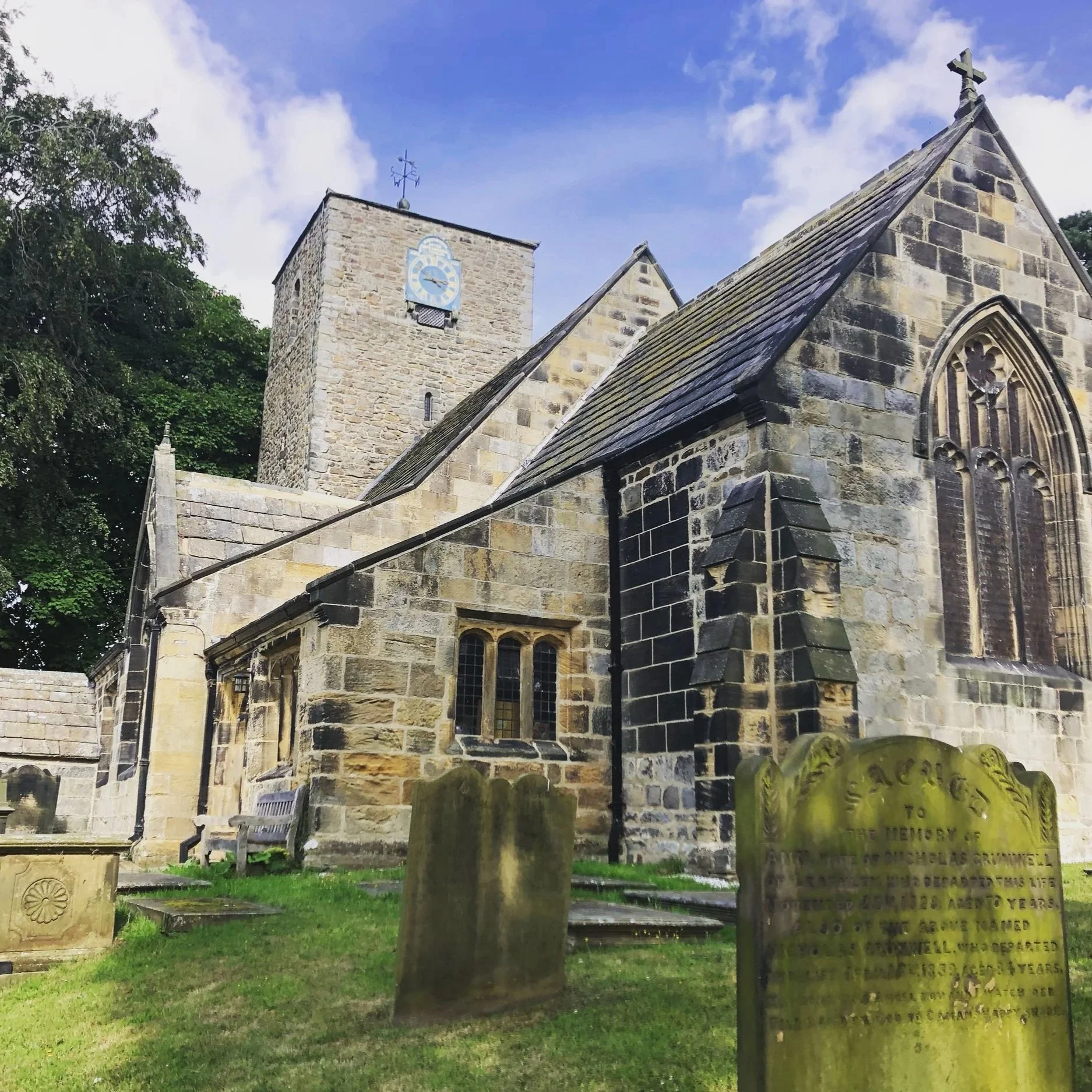
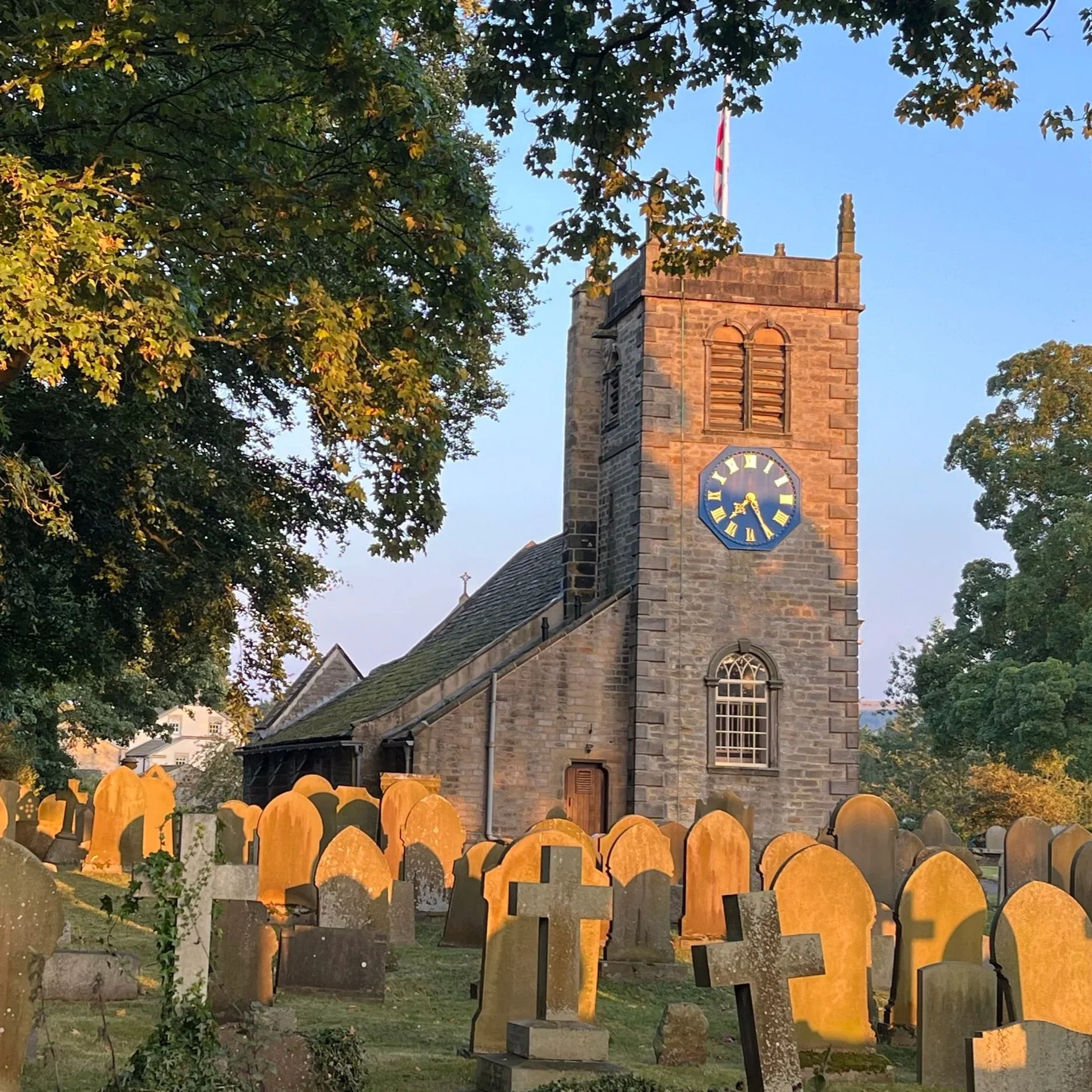
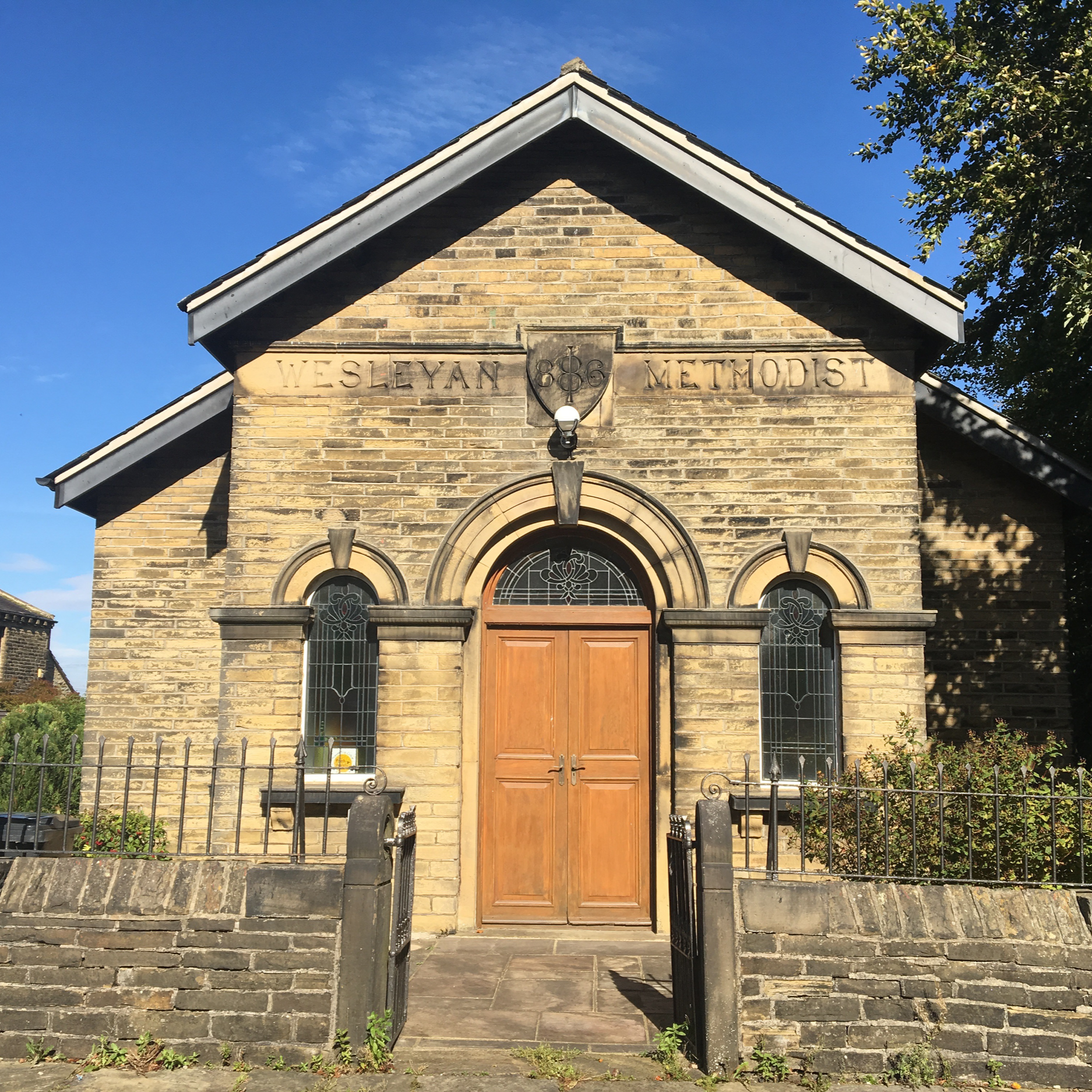
Places of worship are among the most complex and meaningful buildings an architect can work on. We work with faith communities of all traditions: churches, chapels, mosques, gurdwaras, synagogues, temples and meeting houses.
We understand that every faith community is different, that the significance of a building extends far beyond its physical fabric, and that the decisions made about these buildings carry enormous weight for the people who worship, gather and belong within them.
Places of Worship of Every Tradition
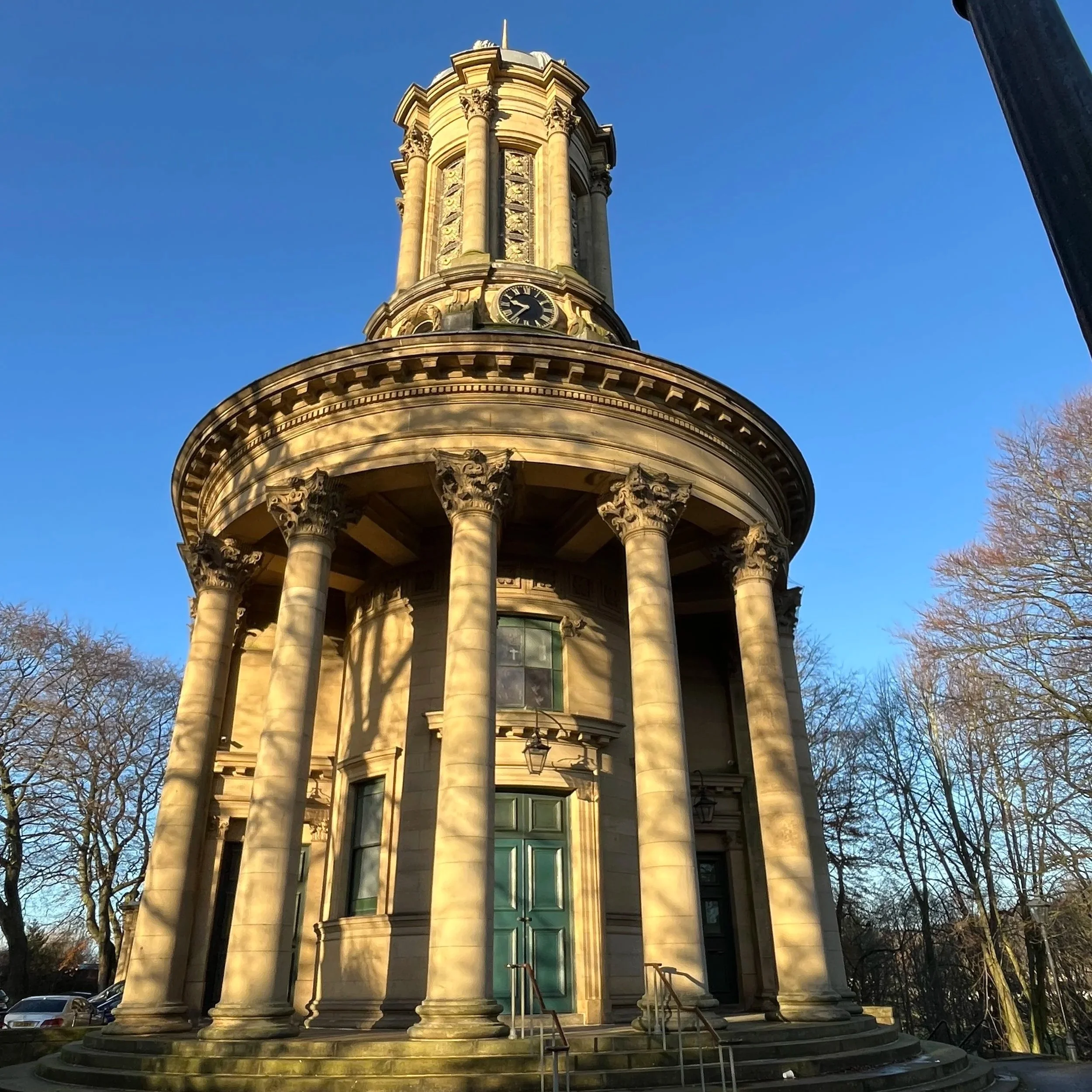
Places of worship are among the most complex and meaningful buildings an architect can work on. Our recent clients have included the Guru Teghbahadur Gudwara, Diocese of Manchester, Diocese of Leeds, Ilkley Quakers, Bradford Methodist Circuit North.
As RIBA Specialist Conservation Architects, we bring accredited expertise in listed buildings and historic fabric to faith building projects — navigating listed building consent, faculty applications, Diocesan Advisory Committees and Historic England with confidence.
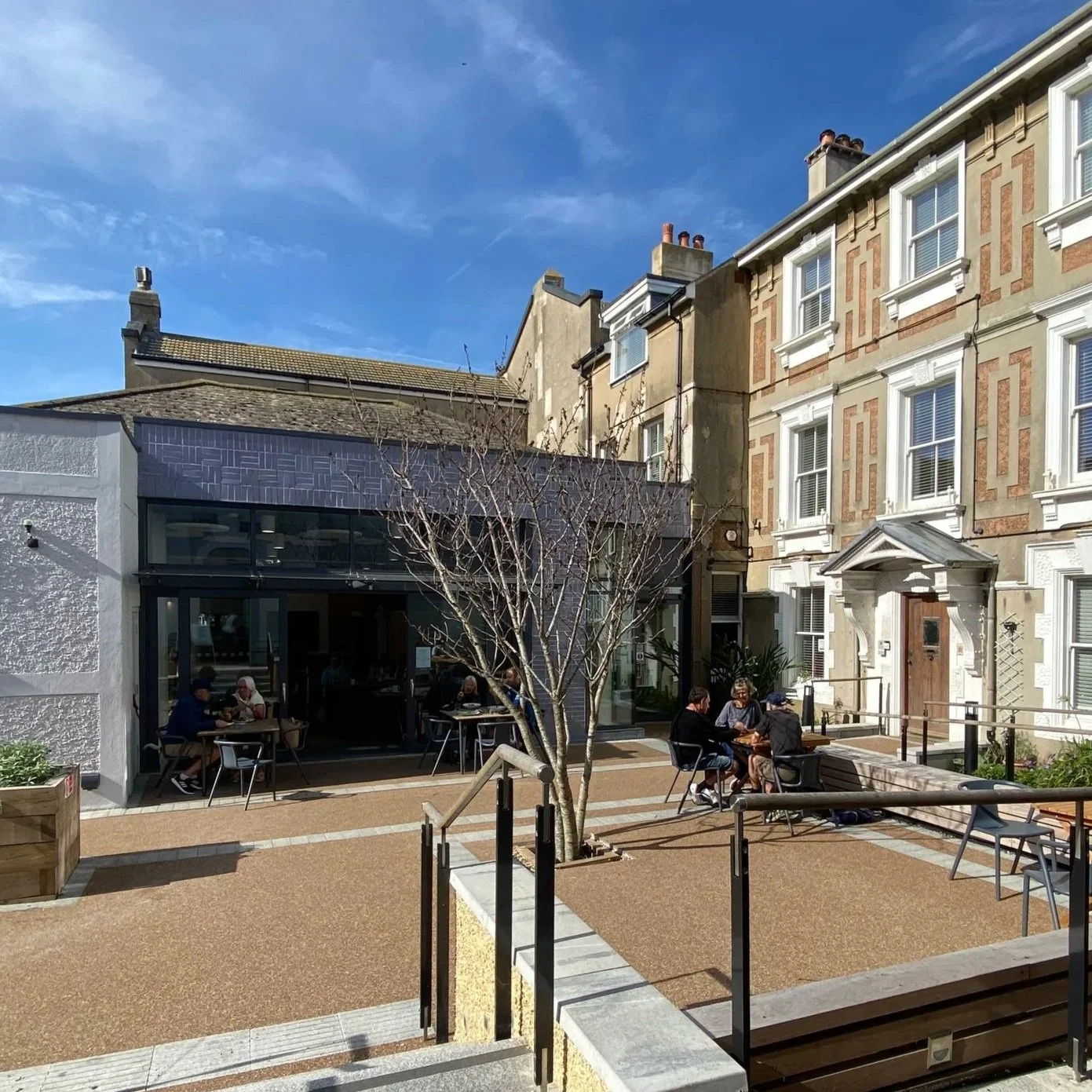
Not all faith buildings are listed or of traditional heritage value. However they all share a deep heritage that extends beyond bricks and mortar, and a balance that has to be struck between faith and finances. We have worked with faith organisations to extend their property, convert former council buildings to new worship spaces, provide new community services and to reorder existing spaces. By working with you, your congregations and wider communities, we are here to support your faith.
Our Director, Stefanie Stead MBE, is a RIBA Published Author whose forthcoming book on community architecture draws on years of working closely with faith communities across the UK. She was also a contributor to the Modern Places of Worship report led by the Baroness Warsi Foundation, providing practical recommendations for designers and community/faith groups.
How we can work with you
Our approach begins with understanding what you need and looking at how your building can support you in your mission. We offer the full range of services faith communities need, from the earliest inspection through to design, planning and delivery.
-
We carry out Quinnquennial Inspections for all grades of heritage and faith buildings. Whilst the Care of Churches & Ecclesiastical Jurisdiction Measure 1991 applies to property under the care of the Church of England, we apply its principles towards inspections for all our faith buildings. We take the approach with any report, regardless of whether the audience is a heritage client or otherwise, that the ‘deliverable’ is easy to read and understand, priorities are clearly seen and there are practical recommendations. In this way, the report is less likely to be left in a cabinet, and instead becomes a working document that helps building custodians to manage their property in a sensible way.
-
The faculty jurisdiction system governs changes to Church of England buildings — and navigating it requires specialist knowledge and experience. We prepare and submit faculty applications on behalf of parishes and PCCs, working with Diocesan Advisory Committees and other statutory consultees to build a well-prepared case for your proposals.
We are RIBA Conservation Specialist Architects.
-
Depending on your project, a feasibility study can be a series of concept drawings or an indepth document with costings. Many feasibility studies can be funded through grants,
We have supported faith communities through successful funding applications many times, and we understand what funders are looking for. For a small fee, we will bring together key considerations into a short document that can be used to apply for grant funding for a feasibility study.